How to Sell Roofs Better: From Storm Chaser to Design Consultant
The roofing industry is undergoing a massive psychological shift. For decades, the standard operating procedure for selling a roof was purely transactional. A contractor would knock on a door, climb a ladder, count the damaged shingles, measure the squares, and hand the homeowner a clipboard with a price at the bottom. This is the classic "storm chaser" mentality, and while it may have worked in 2010, it is a race to the bottom in today's market.
Today's homeowners are vastly more educated, highly skeptical of door-to-door sales tactics, and hyper-focused on the aesthetic value of their homes. If you walk into a living room and your entire pitch revolves around the thickness of an asphalt shingle, nail patterns, and algae resistance, you are going to lose the bid to the contractor who understands what the homeowner is actually buying.
Stop talking about price. Start showing value.
Mark Williams built his career on one principle: The contractor with the best presentation wins. Use CurbClose to build stunning 3D visual proposals instantly.
Get StartedHomeowners do not want to buy a roof. A roof is a grudge purchase. They are terrified of leaks, they hate the financial outlay, and they are anxious about hiring the wrong company. What they *want* to buy is peace of mind, an elevated property value, and undeniable curb appeal. If you want to know how to sell roofs better, you must fundamentally change your identity from a "Roofing Contractor" to an "Exterior Design Consultant." This article will break down the exact psychology, sales scripts, and visual presentation tactics required to dominate your local market and command premium margins.
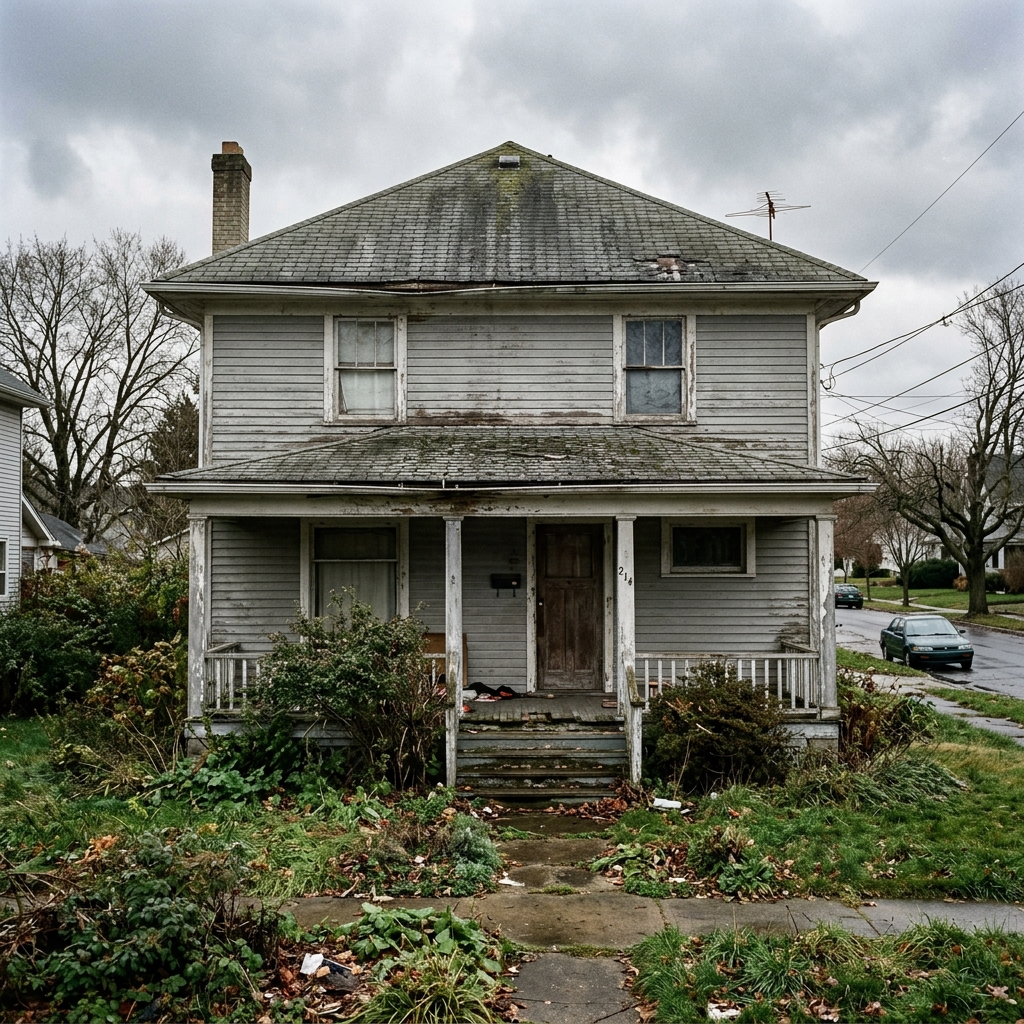
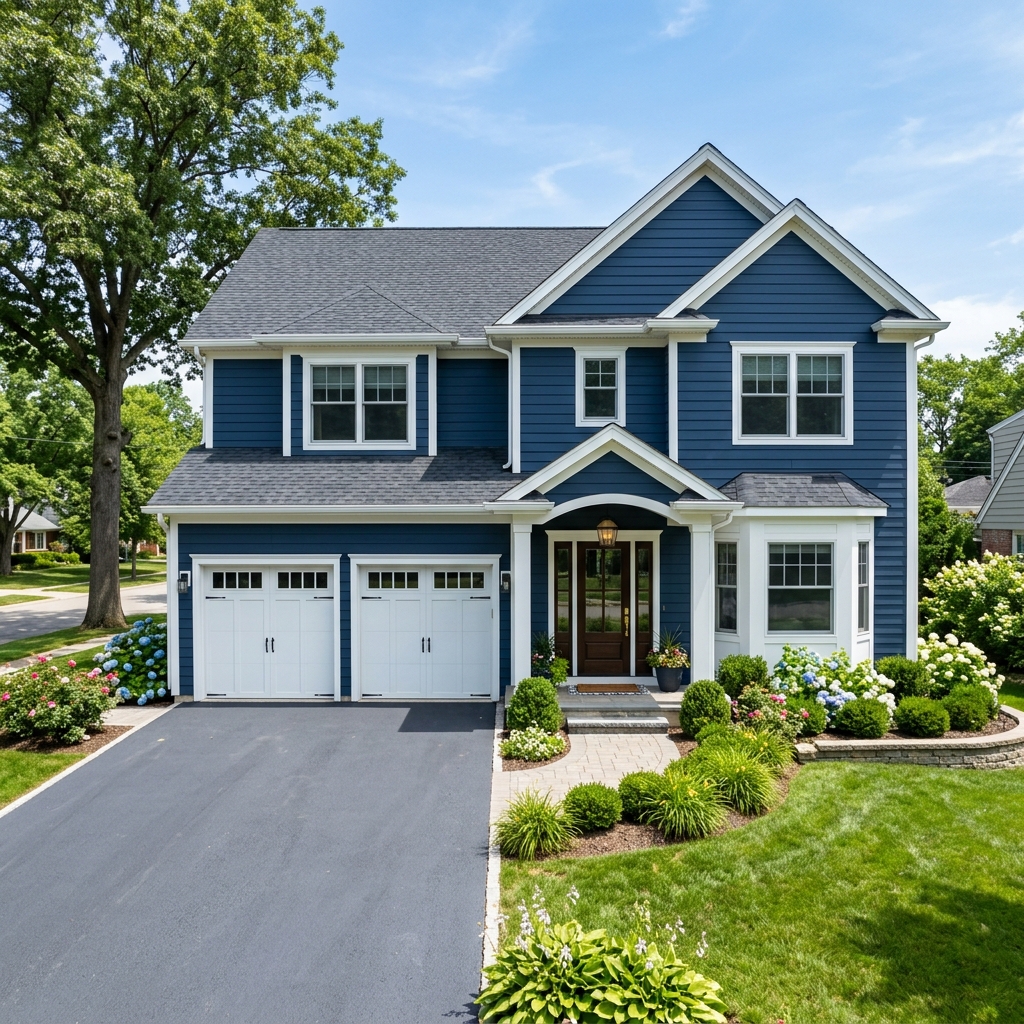
The best roofers don't sell shingles; they sell Curb Appeal. And they do it using interactive visual software like CurbClose. Instead of handing them a piece of cardboard, you take a photo of their house, run it through the CurbClose AI visualization engine, and instantly show them their own home with a brand new roof.
The Core Problem: You Are Selling a Grudge Purchase
Before we discuss closing tactics, we have to understand the buyer's emotional state. When a homeowner remodels a kitchen, they are excited. They spend hours on Pinterest looking at marble countertops and farmhouse sinks. They happily spend $50,000 because they are buying a dream.
When a homeowner replaces a roof, they are resentful. They are spending $15,000 to $25,000 on a functional necessity that they rarely look at. It feels like paying taxes. Because there is no inherent excitement in a roof replacement, their default instinct is to find the cheapest possible option to make the pain go away. This is why you constantly face the "your price is too high" objection.
"You cannot sell a grudge purchase on specifications. You must transform the grudge purchase into an aesthetic investment."
To overcome this, you have to inject excitement into the transaction. You have to make them care about the roof. How do you do that? By tying the roof replacement directly to the overall curb appeal and market value of their home.
Step 1: The "Design Consultant" Mindset Shift
When you arrive at the property, your posture, your vocabulary, and your tools must signal that you are a premium consultant, not a day laborer looking for a quick buck. The "storm chaser" parks in the driveway, leaves his truck running, and immediately throws a ladder on the gutters. The design consultant parks on the street, walks up to the door with an iPad, shakes the homeowner's hand, and asks to walk the perimeter together.
During this perimeter walk, do not just look up at the shingles. Look at the siding, the trim, the brick color, and the landscaping. Ask questions like:
"Have you ever felt like the current faded gray roof washes out the beautiful red undertones of your brick?"
"When we replace this, are you looking to keep the traditional profile, or were you hoping to modernize the house with a high-definition architectural shadow line?"
By asking these questions, you are forcing the homeowner to view their roof as a massive design element rather than a waterproof tarp. You are elevating the conversation above price.
Step 2: Pitching the Complete Roofing System
When you sit down at the kitchen table, you must differentiate your installation process from the "chuck in a truck" who gave them a $9,000 bid. The easiest way to do this is to stop selling "shingles" and start selling a "Weatherproofing System."
Most cheap contractors reuse old drip edge, skip the ice and water shield, and use cheap synthetic felt. You need to expose these shortcuts without badmouthing the competition directly. Use a script like this:
"Mr. Homeowner, a lot of companies will quote you for just the shingles. But the shingles only do 50% of the work. If you put brand new premium shingles over a failing ventilation system and cheap underlayment, that roof will rot from the inside out in 8 years. What we are installing is a 6-part integrated weatherproofing system. We are:"
- Replacing the drip edge to protect your fascia board.
- Installing self-sealing ice and water barriers in all critical valleys.
- Laying down breathable synthetic armor to prevent moisture trapping.
- Ensuring your attic breathes perfectly so your AC bill goes down and mold is eliminated.
This isn't a patch job; it is a permanent structural upgrade.
Pro Tip: Carry a physical prop. Bring a small, high-quality cross-section of your ridge vent or ice-and-water shield. Hand it to the homeowner. Physical touch builds trust and justifies a premium price tag.
Step 3: The Power of Visual Selling (The CurbClose Method)
Even if you master the system pitch, you still have to deal with the aesthetic component. The traditional method of selling roof colors involves handing the homeowner a heavy cardboard sample board with 2-inch square cutouts of different shingles. This is a fatal flaw in the sales process.
The human brain is incredibly bad at spatial scaling. A homeowner cannot look at a 2-inch square of "Weathered Wood" and accurately imagine what 35 squares of it will look like across the massive surface area of their house. This leads to the most dreaded objection in exterior sales: "I need a few days to think about the colors."
"I need to think about the colors" is code for "I am terrified of making a $20,000 mistake that I have to stare at every day." When a homeowner is scared, they delay the signature. And every day the contract is delayed, your closing percentage drops by 20%.


When you use CurbClose to instantly toggle between a flat, faded 3-tab roof and a stunning, high-definition architectural roof with deep shadow lines, the homeowner physically gasps. The conversation instantly shifts from "How much does it cost?" to "Wow, I didn't realize my house could look that good." You have successfully transformed a grudge purchase into an emotional, aesthetic investment.
Step 4: Upselling to Architectural and Metal Roofs
Once the homeowner is emotionally invested in the visual transformation, upselling becomes frictionless. If you just tell someone that a standing seam metal roof costs $10,000 more, they will say no. If you *show* them how a standing seam metal roof modernizes their outdated ranch-style home into a contemporary masterpiece, they will ask about financing options.
When pitching an upgrade from standard architectural to premium (like Class 4 impact resistant or luxury designer shingles), frame it around ROI. Use this script:
"The standard architectural option looks great and protects the home. But for an extra $45 a month on our financing plan, we can upgrade you to the Class 4 Impact Resistant system. Not only does it cast a much thicker, richer shadow line that makes the house look incredibly premium, but it actually lowers your homeowners insurance premiums in most states. It practically pays for itself while making your house the best-looking property on the block."
"Always anchor the cost of premium upgrades to a monthly payment, not the total aggregate cost. $45 a month is a utility bill. $3,000 is a vacation. Sell the utility bill."
Step 5: Overcoming "We Need to Get Other Quotes"
Even with a flawless presentation and a stunning CurbClose visualization, you will encounter the classic objection: "We like you, but we want to get three quotes." You must handle this delicately but firmly. If you leave the house without a signature, you run the risk of another contractor coming in, matching your exact scope of work, and undercutting you by $1,000.
Here is how you handle the three-quote objection:
"I completely understand, John. It is a big investment, and you should be absolutely comfortable with who you hire. Can I ask you a question, though? When you get those other quotes, what are you going to be looking for that you haven't seen today?"
Wait for them to answer. Usually, they will mumble something about making sure the price is fair.
"That makes total sense. Look, there will always be someone who can do it cheaper. If someone comes in $2,000 cheaper than me, they aren't doing it by taking a pay cut. They are doing it by using cheaper materials, uninsured labor, and skipping the ventilation upgrades we discussed. If I can guarantee our price, guarantee our premium system, and lock you into our installation schedule for next week so you don't have to deal with any more salespeople... what is stopping us from moving forward right now?"
Conclusion: The Ultimate Closing Tool
Selling roofs better is not about being pushy. It is about being professional, educational, and highly visual. When you transition from a storm chaser to a design consultant, you stop competing on price entirely.
By focusing on the comprehensive weatherproofing system, understanding the psychological burden of a grudge purchase, and using state-of-the-art tools to visualize the transformation, you will dominate your local market. Do not let "color anxiety" or a lack of imagination kill your deals. Use CurbClose to instantly show them the architectural upgrade on their own home, generate a branded visual PDF proposal on the spot, and secure the signature before you ever leave the driveway.