How to Sell Siding Jobs Better: Eliminating Color Anxiety to Close Faster
Selling siding is arguably one of the most psychologically complex sales in the exterior remodeling industry. Unlike a roof—which is often viewed as a functional necessity to keep water out—siding completely redefines the architectural identity of a home. It is the face of the property. When a homeowner decides to replace their siding, they are not just buying weather protection; they are buying a total aesthetic rebirth.
Because the visual stakes are so high, siding sales reps face a unique set of challenges that roofing and gutter reps rarely encounter. The most pervasive and deal-killing challenge of them all is "Color Anxiety." If you want to learn how to sell siding jobs better, you have to stop trying to sell the material specifications and start mastering the art of visual collaboration. The days of closing a $30,000 siding deal by handing someone a piece of plastic are over.
Stop talking about price. Start showing value.
Mark Williams built his career on one principle: The contractor with the best presentation wins. Use CurbClose to build stunning 3D visual proposals instantly.
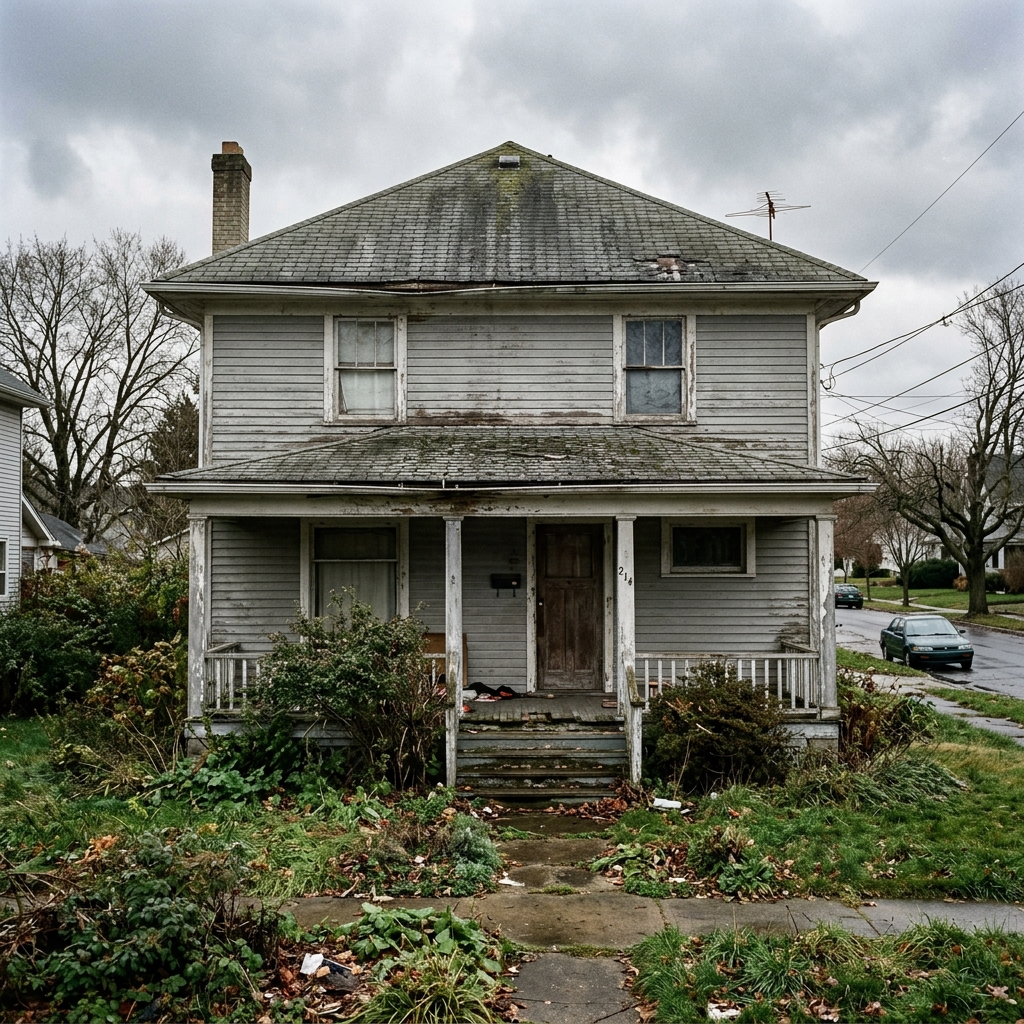
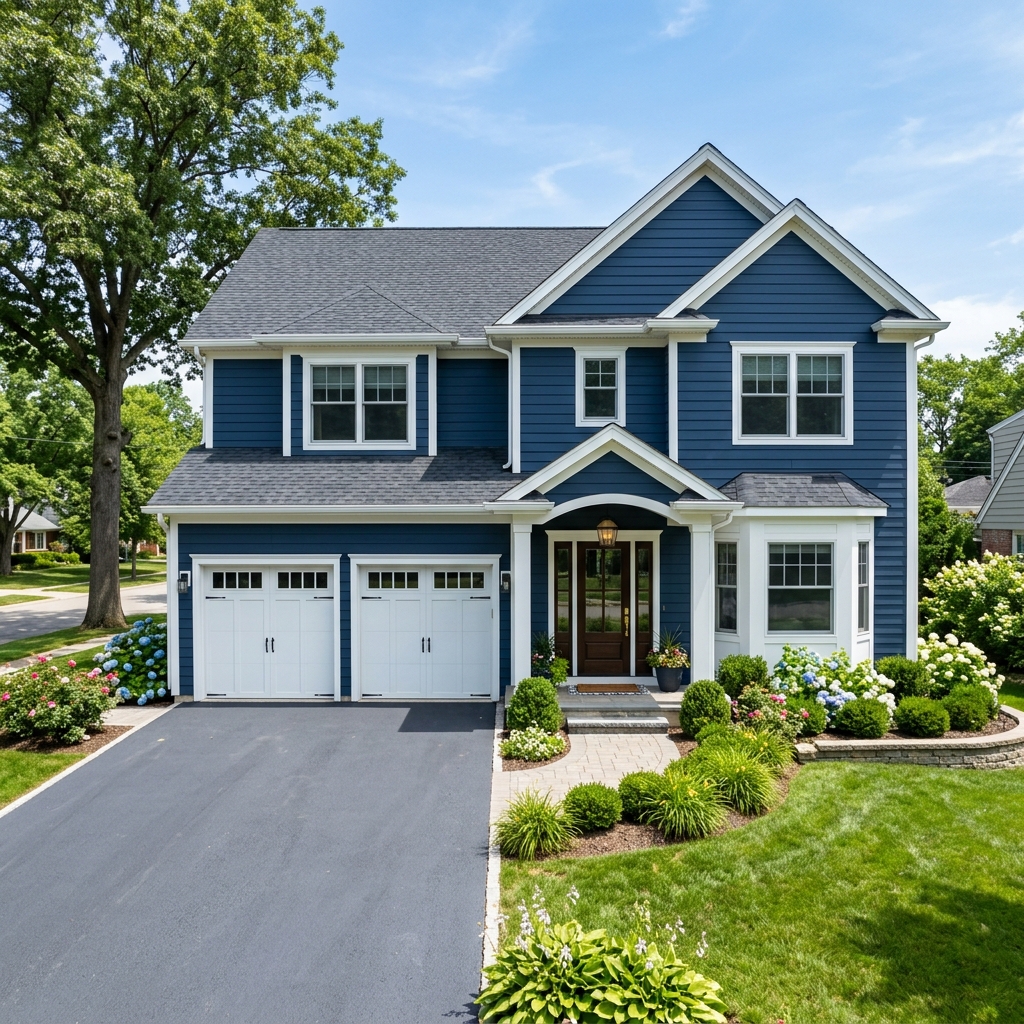
Get StartedThis is where CurbClose revolutionizes the sales process. Instead of breaking out the cumbersome sample boards, you sit down at the kitchen table with an iPad. You pull up a photo of their actual house that you took 10 minutes ago, and you run it through the CurbClose AI visualization engine.
Step 1: Identify the Epidemic of Color Anxiety
Every siding salesperson knows the feeling. You run a flawless appointment. You build incredible rapport with the homeowner. You measure perfectly, present your pricing cleanly, and you can tell they trust your company. You ask for the signature, and you hear these dreaded words:
""We love your company, and the price seems fair. We just need a few weeks to drive around and look at some houses to decide on the color.""
That sentence is the sound of your commission checking walking out the door. In the remodeling industry, time kills all deals. Every day that passes between the presentation and the signature allows doubt to creep in. Maybe their car breaks down and they need the cash. Maybe a competitor knocks on their door and undercuts you by $2,000. Maybe they just lose the emotional excitement of the project.
Homeowners delay the signature because they are terrified. They are about to spend tens of thousands of dollars on a permanent color that they will have to stare at every single day when they pull into their driveway. If they pick the wrong shade of blue, they are stuck with it for 20 years. That fear paralyzes them.
Step 2: Ditch the 2-Inch Plastic Sample
How has the industry traditionally dealt with this fear? By making it worse. For decades, manufacturers have armed sales reps with heavy cardboard sample boards and "fan decks" featuring 2-inch by 2-inch plastic squares of vinyl, composite, or fiber cement.
This is a fundamentally broken sales tool. The human brain is notoriously bad at spatial scaling. It is neurologically impossible for the average homeowner to hold a tiny square of "Coastal Blue" vinyl in their hand and accurately extrapolate what that color will look like stretched across 3,500 square feet of a two-story colonial house.
- They can't account for how the color will look in the shade of their oak tree.
- They can't visualize how it will contrast against their existing brick wainscoting.
- They can't predict how it will pair with their black shutters.
Because they can't visualize the end result, the risk feels too high. So, they ask you for a list of addresses of past jobs you've completed so they can go do "drive-bys."
The Problem with "Drive-Bys"
Sending a client on a drive-by to look at past jobs is a massive mistake. First, you are giving them homework, which breaks the momentum of a one-call close. Second, they are driving by a completely different style of house. Seeing "Coastal Blue" on a small ranch home does not help them visualize it on their massive Victorian home. It just creates more confusion.
Step 3: Use Digital Co-Design at the Kitchen Table
If you want to drastically increase your siding close rate, you must transform your role from a "salesperson pitching a product" into a "design consultant collaborating on a vision." You have to eliminate the guesswork.


Suddenly, the abstract concept of "Coastal Blue" is no longer abstract. It is vividly rendered on their own walls, perfectly preserving the shadows, the existing brick, and the landscaping. You have instantly removed the cognitive load from the buyer.
The Co-Design Pivot: Do not just show them one color. Hand the iPad to the homeowner and let them tap through the colors themselves. When they physically interact with the software and "build" their own house, they take ownership of the design. People do not negotiate against a design they built themselves.
Step 4: Sell Profiles, Not Just Colors
Color anxiety isn't the only hurdle; profile anxiety is just as real. A homeowner might know they want gray, but should they do standard horizontal lap siding, or should they upgrade to Board and Batten on the gables? Should they use cedar shake accents on the dormers?
Trying to explain the aesthetic difference between 4-inch lap and 7-inch lap using hand gestures is impossible. But with a visualizer, you can instantly toggle the gables to Board and Batten. You can show them exactly why the architectural upgrade is worth the extra $3,500. You aren't selling siding panels anymore; you are selling architectural character.
Step 5: Present Good, Better, Best Pricing
Once the homeowner has fallen in love with the visual rendering, the pricing conversation becomes remarkably easy. However, you must present the pricing correctly. Never give a single, take-it-or-leave-it price.
Instead, present three options based on the exact 3D render they just built with you:
- The "Good" Option: Standard .042 thickness vinyl siding in the color they chose. This solves the aesthetic problem on a budget.
- The "Better" Option: Premium insulated vinyl siding or composite. This adds an R-value to the house, muffles street noise, and resists hail damage.
- The "Best" Option: Fiber cement (like James Hardie) or premium engineered wood. This is the "armor-plated" forever-home option with maximum ROI.
By providing three options, you shift the psychological question from "Do we want to hire this company?" to "Which level of investment from this company makes the most sense for us?"
Generating the Visual Quote to Lock the Deal
The final step to mastering the siding sale is the leave-behind. If you do all this incredible digital co-design work, but then email them a black-and-white QuickBooks PDF that just says "Remove and replace siding - $22,000", you have ruined the magic.
The contract must reflect the premium experience. With tools like CurbClose, you can instantly generate a branded visual PDF proposal that features the stunning "Before and After" images right at the top of the document. When the husband or wife looks at that quote later that night, they aren't looking at a painful price tag—they are staring at the beautiful dream home you promised them.
Conclusion: Elevating Your Pitch
Selling siding better requires an abandonment of the old ways. Throw the 2-inch plastic chips in the trash. Stop sending clients on wild goose chases to do drive-bys. Stop letting color anxiety paralyze your deals.
Homeowners delay siding contracts because they are scared of making a mistake. CurbClose eliminates this fear entirely by letting them co-design their house in 3D right at the kitchen table. When you provide absolute visual certainty, price becomes secondary, objections vanish, and you close the deal on the first visit.