How to Upsell Siding: From Standard Vinyl to Premium Cladding
The difference between an exterior contractor scraping by on 15% net profit and a powerhouse company hitting 35% net profit comes down to one skill: the upsell. Standard hollow vinyl siding is a commodity. Every guy with a truck can source it, and every homeowner expects it to be cheap. If you want to expand your margins, you must master how to upsell siding to premium materials like insulated composite or fiber cement.
Upselling siding is not about tricking the homeowner into spending more money. It is about educating them on the long-term value, the durability, and most importantly, the massive aesthetic upgrade they will receive. You cannot achieve this by simply handing them a brochure. You must fundamentally change how you pitch the product.
Stop talking about price. Start showing value.
Mark Williams built his career on one principle: The contractor with the best presentation wins. Use CurbClose to build stunning 3D visual proposals instantly.
Get StartedYou must use technology. You can't explain the texture of premium board; you have to show it. CurbClose perfectly mimics the 3D depth of premium siding on their actual walls. By taking a photo of their house and running it through the visualizer, you can instantly toggle between standard vinyl and premium siding.
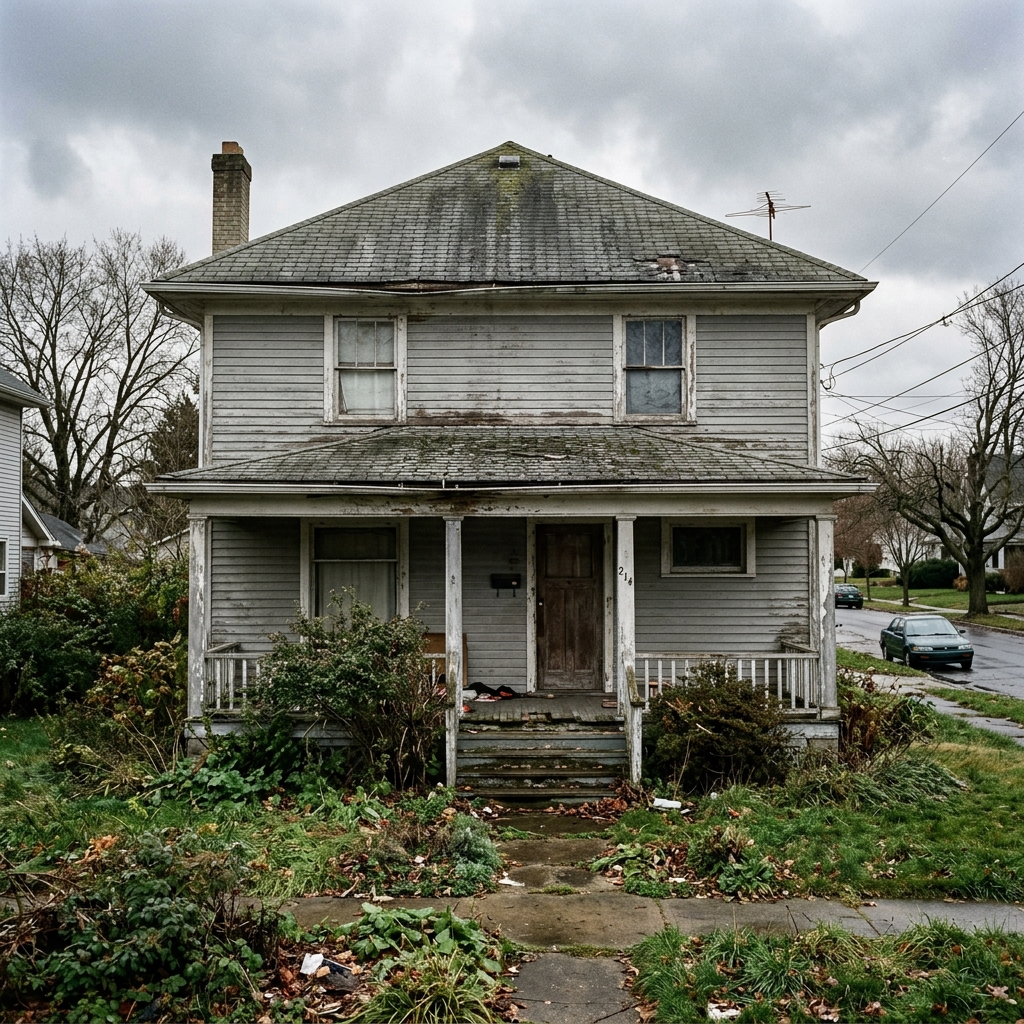
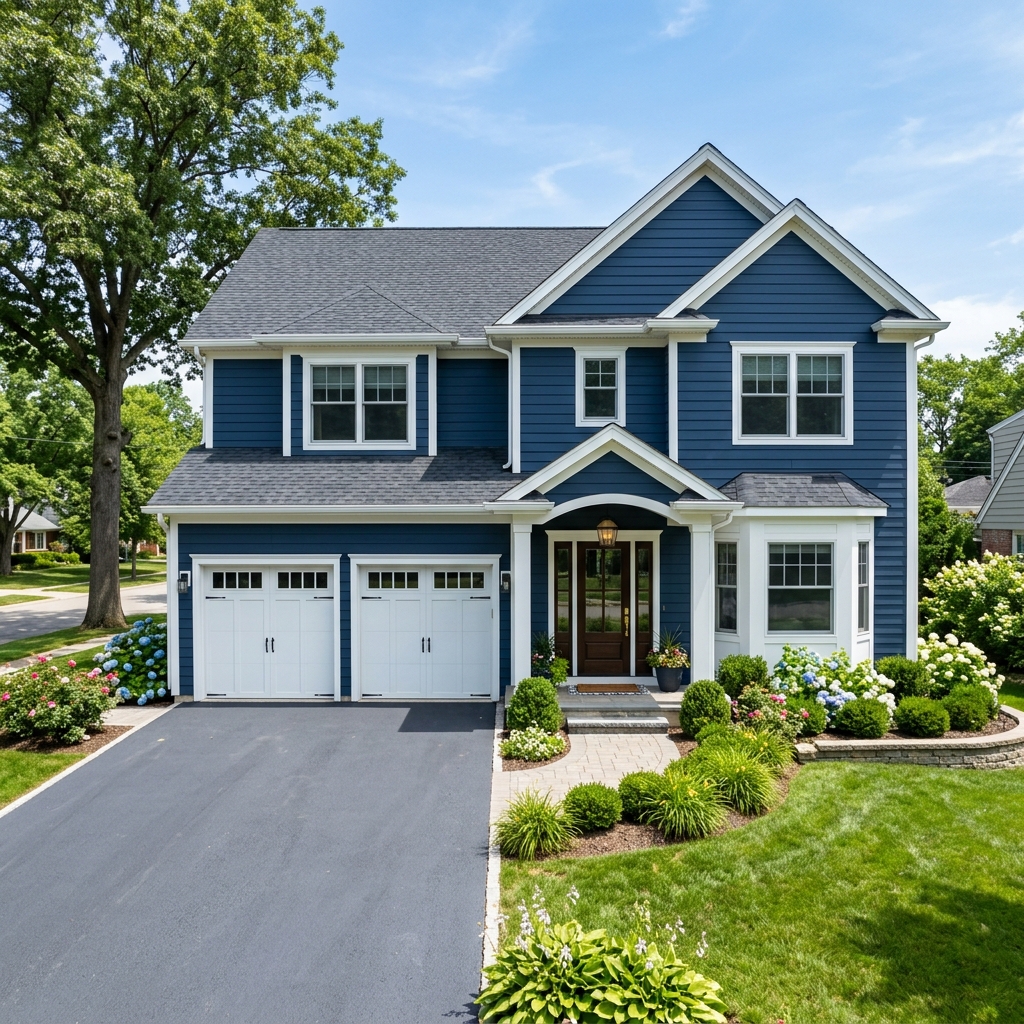
Step 1: The "Armor-Plating" Pitch
The words you use dictate the value the homeowner perceives. If you constantly refer to the product as "siding," you are anchoring them to the cheap, hollow vinyl they have seen fading on houses since the 1990s. You need to upgrade your vocabulary.
When pitching premium composite or fiber cement, you are no longer selling a "plastic covering." You are selling "architectural cladding" and "armor-plating." Use this script:
"Mr. Homeowner, standard vinyl is fine for budget flips or rental properties. But for your forever home, vinyl will expand, contract, and rattle in the wind. What I am proposing is that we armor-plate your home. This premium composite is engineered for extreme weather. It doesn't rattle, it doesn't warp, and it wraps your house in a thermal blanket. We aren't just putting a new color on the walls; we are structurally fortifying the property."
"When you shift the conversation from "siding" to "architectural armor," the price gap suddenly makes logical sense to the buyer."
Step 2: Pitching the 3D Texture
The most significant visual difference between cheap vinyl and premium cladding is the texture. Standard vinyl sits completely flat against the house and has a subtle, unnatural sheen to it. Premium materials cast deep, authentic architectural shadow lines that mimic real wood.
However, you cannot explain texture. You have to show it. This is where most salespeople fail. They try to explain "shadow lines" using their hands, or they show a tiny 2-inch plastic sample that has zero visual impact.


Step 3: Upselling Architectural Profiles
The easiest way to upsell siding is to introduce a second profile. Don't just sell horizontal lap siding for the entire house. Introduce the concept of architectural accents.
- Gable Accents: Suggest running Board and Batten vertically inside the gables to draw the eye upward and make the house look taller.
- Dormer Accents: Suggest using staggered shakes on the dormers to give the house a custom craftsman feel.
- Color Blocking: Suggest using a dark, bold color for the main body and a lighter complementary color for the accents.
Again, the homeowner will not be able to visualize this in their head. You must build the design with them in real-time using your visualization software. When they see how much more custom and expensive the house looks with Board and Batten gables, the $3,000 upcharge feels like a bargain.
Step 4: The Financing Anchor
The biggest hurdle in upselling siding is the sticker shock. Upgrading from vinyl to fiber cement can often add $10,000 to the total project cost. If you present that as a lump sum, the homeowner will immediately reject it.
You must anchor the upgrade to a monthly payment. Before you reveal the final price, you say: "The premium armor-plated system, with the Board and Batten accents we designed together, is only an additional $150 a month on our financing plan. For the cost of a cable bill, you get the absolute best exterior on the market, fully guaranteed against hail and fading."
Step 5: The Branded Leave-Behind
Finally, you must leave them with a document that justifies the premium price. Do not email them a plain text quote. Generate a branded visual PDF proposal that clearly shows the stunning 3D renders you created.
When they compare your visual, premium proposal against a competitor's cheap vinyl quote on a piece of carbon paper, they will realize they are not comparing apples to apples. They are comparing a patch job to a luxury transformation.
Conclusion
Upselling siding requires a delicate balance of psychological framing and overwhelming visual evidence. By upgrading your vocabulary, pitching the architectural texture, and using instant 3D visualization, you can effortlessly move homeowners away from cheap plastic and into premium, high-margin cladding.